
In developing a summary of my recent book – Indian, Black and Irish: Indigenous Nations, African Peoples, European Invasions 1492 – 1790 – I focused on the interplay between capitalism, genocide, and racism. I was struck by how each of four distinct epochs over the past 500 years of colonial expansion in the Americas (and beyond) parallels how Indigenous Studies now understands settler colonialism: as a system that relies on genocidal wars, events, and policies to establish hegemonic dominance. These patterns, I argue, remain evident in many of today’s global and regional conflicts.
In this short blog piece, I highlight examples from each of these four historical epochs, then draw connections to contemporary conflicts—including Gaza and the West Bank, Ukraine, Darfur, and U.S. immigration policies affecting Haitians and Venezuelans. These modern cases, I argue, reflect the enduring structures of neoliberal capitalism rooted in colonial and racialized systems.
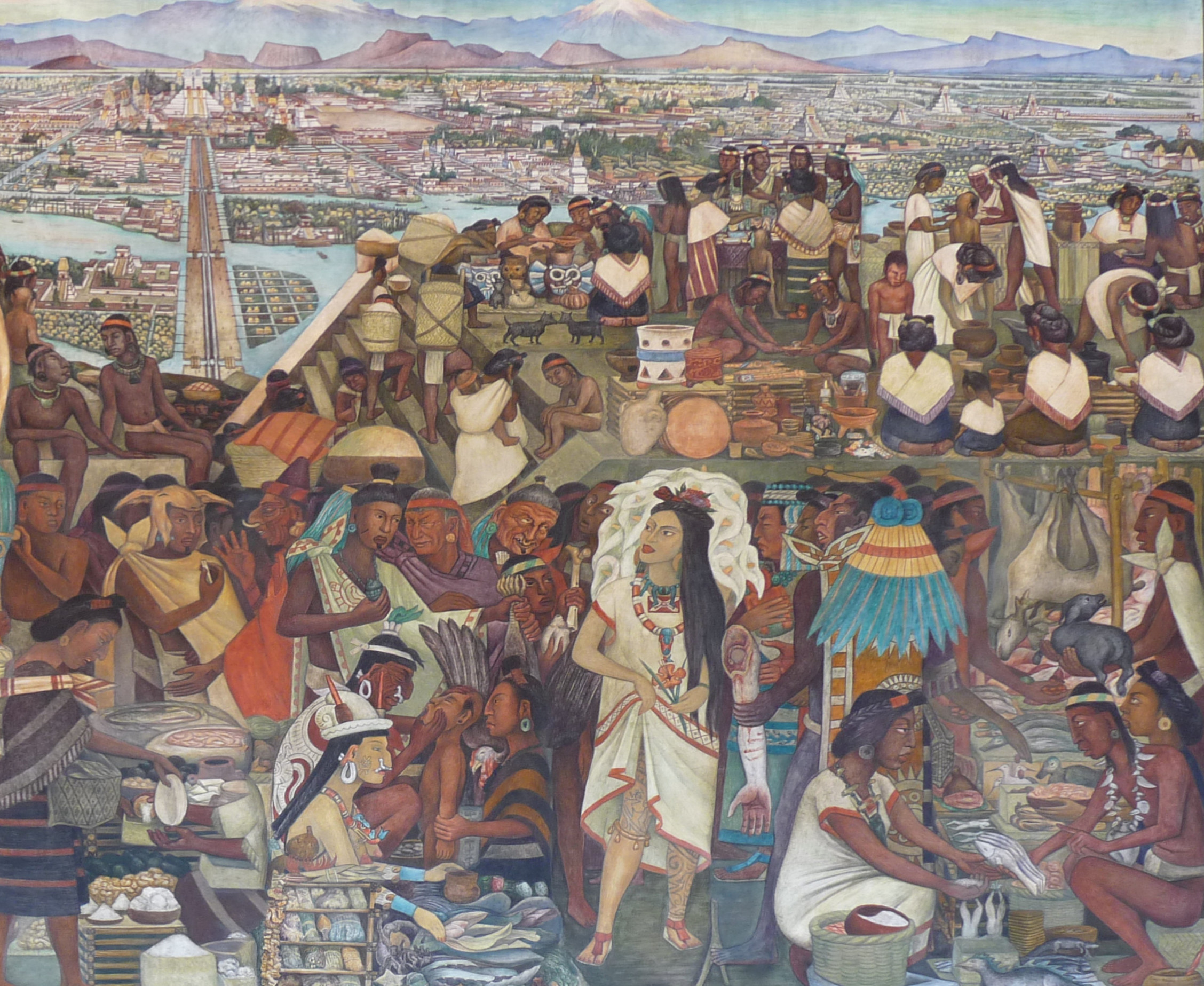
The first period (1492 – 1620 or so) is dominated by Spain over the Caribbean and Latin American conquests and colonialism, creating racialized capitalism in three or four clearly identifiable cases of extractive colonial powers – building sugar (agricultural) plantations, (for markets in Europe) using Indigenous (“Indian”) and African (enslaved as “Black”) labor; taking down large city-state (Tenochtitlan) and trading (Inkan) empires to build colonizing systems maximizing raw wealth extraction (gold, silver, other minerals and spices); along with mining that developed and changed global currency markets. In addition to labor exploitation identified by Karl Marx each system also transferred wealth to the colonial power by the violent acquisition of Land, that has never been measured economically, that over the three periods or epochs (1493–1620 –1790–1920) is probably the greatest wealth transfer (from Native Nations in the Americas to European, then Euro-American states – the U.S.) in world history. To get a sense of what was destroyed from an Indigenous worldview, consider the sophistication of Tenochtitlan trading markets and advanced urban systems before Cortez’s Spanish invasion – as illustrated in Diego Rivera’s mural below, which I used as the cover of my book.
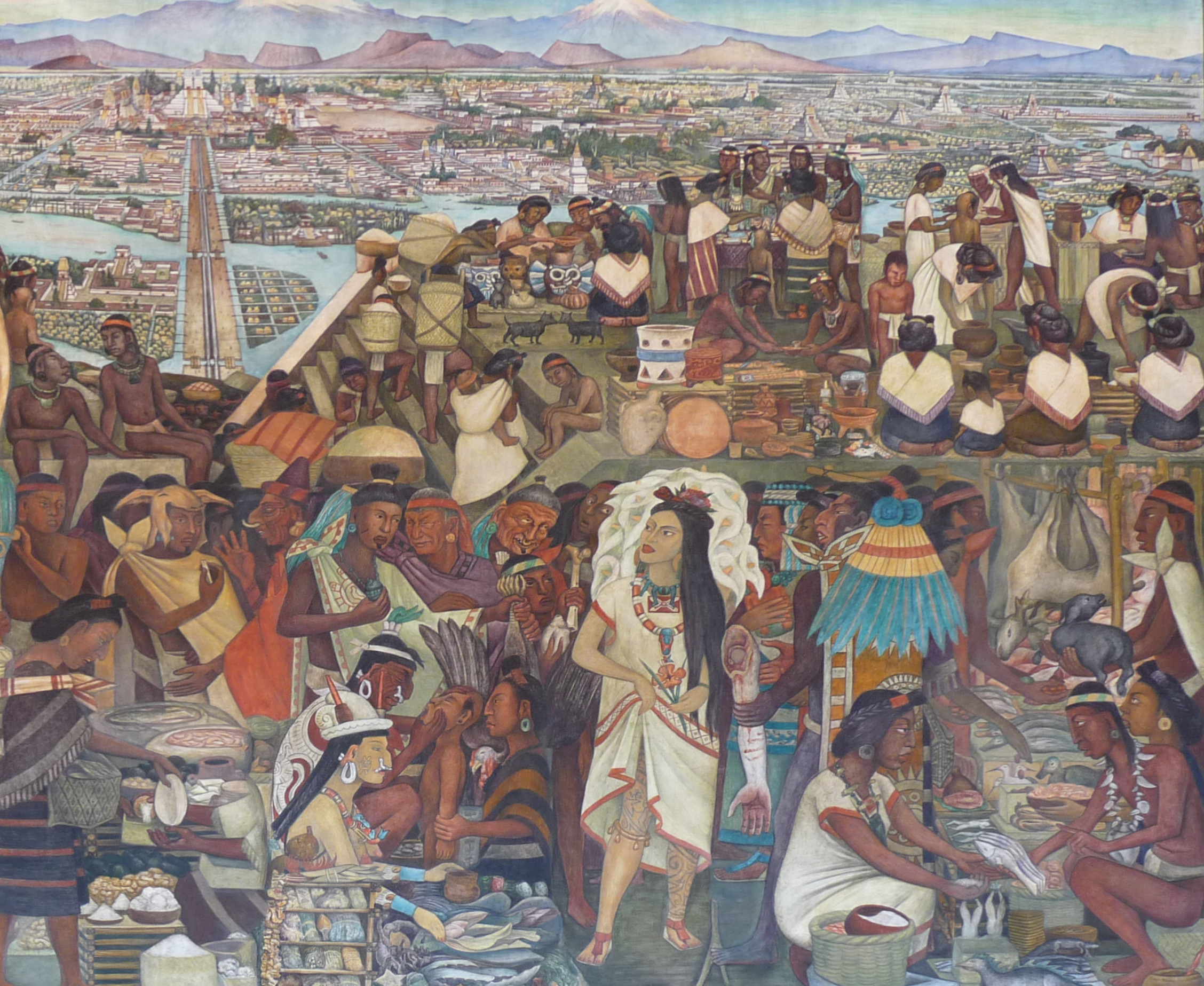
Figure 1: The Great Tenochtitlan by Diego Rivera.
In the transition to the second period (1610/1620 – 1783/1790) England dominated trading expansion. It expanded its influence through trading companies from 1555 to 1620 (see Figure 2) and later transitioned to land-based colonies established via violent seizure from Native Nations—often genocidal in nature. These colonies relied on a mix of indentured (mostly European) and enslaved (mostly African and Indian) labor. By 1690, England had taken over the transatlantic slave trade, which peaked between 1650 and 1790 (see Figure 3). During this time English systems moved into what is now termed settler colonialism. It employed ethnic cleansing over a north American land base. This was a genocidal process, later leading to what the U.S. called “Indian Removal”, that combined agricultural and early industrial extractivism. This created some of the largest wealth transfer in history. Much of this process was driven by corporate-chartered entities as much as state colonial powers.
-
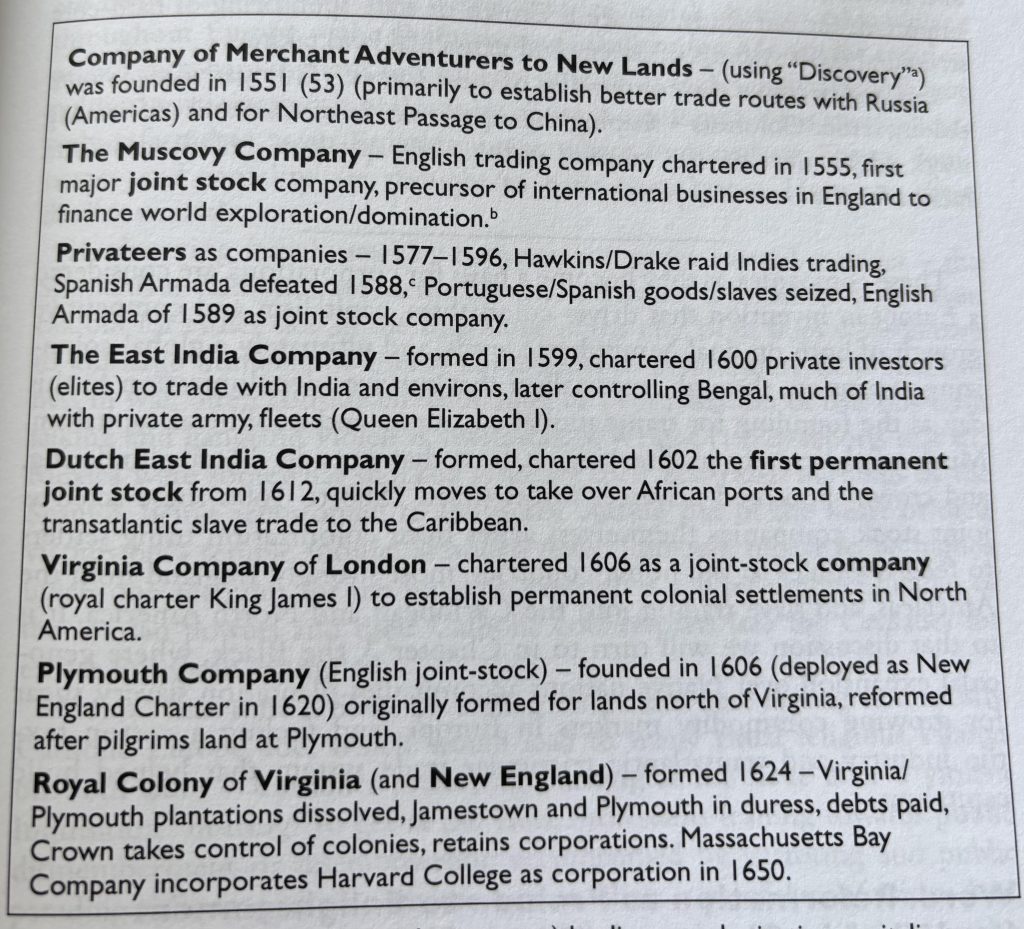
- Figure 2: Companies (chartered, corporate) leading to Colonization Capitalism (Figure 2.13 in the book on p.113)
-
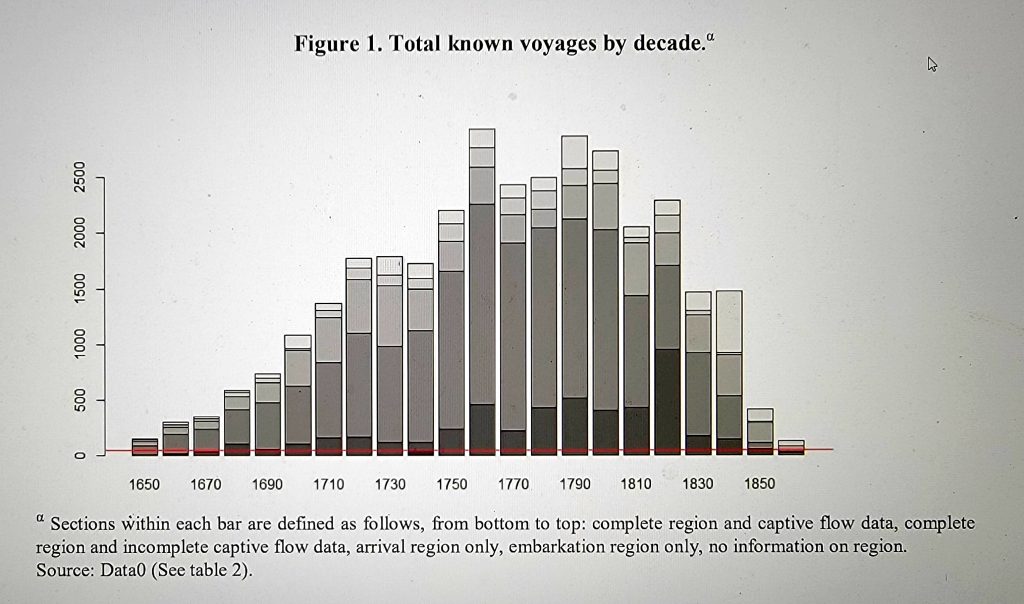
- Figure 3: Transatlantic Slave Voyages by decade (Manning, Patrick., & Liu, Y. (2020). Research Note on Captive Atlantic Flows: Estimating Missing Data by Slave-Voyage Routes. Journal of World-Systems Research, 26(1), 103–125; Figure 3.9 in the book on p.166)
Transition to the third period started with the expanding empires of the English (and later U.S.) empires, which continued to pattern of maximizing wealth transfer through colonization processes of genocidal Land acquisition, (especially the “Indian” in the Americas, denying nationhood and civilizational structures) and Labor exploitation (the enslaved “Black” in the Americas, racialized colonial Native elsewhere – Africa, south Asia, the Pacific). In the newly independent United States, this process intensified: genocidal policies such as Indian Removal and the California genocide were paired with the exploitation of enslaved African labor to power cotton and agricultural economies linked to U.S. and British industrialization. These systems normalized violence under company-driven capitalism.
My book ends with these examples, identifying a constitutional legitimation of racial structures (Indian, Black, White) in the expanding United States system, comparative colonization over Ireland into the Irish as racialized immigration, suppression of the Haitian revolution, and deep global processes of colonizing powers including the French, Dutch and other European states.
Somewhat surprising to me when arriving to a college in Pennsylvania, was to learn of the total ethnic cleansing of the colony and then in that state (slipping into outright genocide at times, seen in erasure of all Native Nations to the extent of no recognition by federal or state authorities.)
As the U.S. expanded westward, policies like the Northwest and Southwest Ordinances allowed companies to acquire land through racialized laws. This culminated in genocide on the West Coast (not acknowledged by the California government or universities until recently) and expansionary wars across central and western regions of what became the U.S. and Canada. These events will be addressed in more detail in my next book, which covers the subsequent epochs (1776–1900/1920–2026). For now, it is important to note how deeply racialized capitalism shaped U.S. social institutions—normalizing enslaved labor, erasing genocide and ethnic cleansing, and cementing these dynamics through laws and ideologies.
The fourth period, the 20th century to the present, includes two world wars and global decolonization movements. These occurred within a system of racialized capitalism, where former colonies remained politically independent but economically dependent. Core powers like the U.S. and Europe retained wealth built on extractive and settler colonial domination. In North America, the U.S. extended racial stratification across farm and industrial labor systems on land seized from Indigenous nations.
Recognition and naming of genocide only occurred when powerful European colonizers were found guilty or complicit in the systematic destruction of entire peoples defined by ethnicity. These acts, rooted in the same 500-year history, were often carried out through legal mechanisms borrowed from racially dominant systems in the Americas (Whitman, 2017; Fenelon, 2016), and by then had extended into neoliberal forms of capitalism—where extractive wealth was secured through trade relations dominated by core powers, and land-based wealth was rationalized through manifest destiny and civilizational discourses of democracy and freedom, initially for European and Caucasian American populations, and later for racialized and colonized peoples, framed as progressive political formation.
Led by the U.S. and core European colonizing countries continued erasure of competitive theories of development and distortion of wealth production, informed theories of socio-political (evolutionary) formation were reliant on capitalism T.I.N.A. (there is no alternative) as the only system that could produce the technological advancement, industrial productivity and intensely stratified world of gross inequality and powerful elites, emanating from predatory economic globalization.
This discussion allows us to extrapolate many of our observations into contemporary global conflicts, at least in terms of the denial or normalized acceptance of clear ethnic cleansing, if not periodic genocide, in Gaza and increasingly the West Bank, by a state employing settler colonial techniques (like California, clear constructs that the state denies and obfuscates); also, in the participation of and funding of that war as an extension of western civilization, where the resistance of the Native (whether nation or people) is typified as savage, hostile and terrorist. These relations are also exemplified in the attempted profiteering in the Ukraine Russia war, recently through proffering rare minerals treaties to be traded for partial, part-time security, (wealth extraction for a ceasefire) and lately a taking of energy production facilities. Similarly, we observe these typologies applied to U.S. immigrant populations from colonized countries, literally calling them and protest groups “domestic terrorism.”

Figure 4: Trump Casino Gaza, AI fantasy (McCammon, Al-Shalchi and Baba, NPR 2/27/2025)
Our social (science) faculties studying these processes have reached the level of being taught at many universities, including analysis of non-violent organization (such as the civil rights movement) and progressive politics that stress freedom (to stay on land) and democracy (to protest unjust and/or unequal conditions). When a particularly crude authoritarian figure is “elected” as the central leader and amplifies the massive destruction in Gaza and the West Bank through settler colonialism—while proposing profiteering from capitalist domination in regions previously marked by genocide and ethnic cleansing—student and leftist protests have formed at our universities. The government’s response has been a violent, fascistic crackdown that continues today, marked by the suppression of liberal (or “woke”) agendas and curricula, a (re)erasure of colonizing violence and wealth extraction, and a Nazi-like supremacist discourse that valorizes the (racialized) homeland and a historically entrenched power elite of wealthy white men—now also including transnational corporations (TNCs) with historical roots in the four epochs.
James V. Fenelon is Professor of Sociology and Director of Center for Indigenous Peoples Studies, California State University, San Bernardino (also Dakota/Lakota of Standing Rock) publishing many articles, chapters and books, including the one used for summation here, Indian, Black and Irish: Indigenous Nations, African Peoples, European Invasions 1492-1790 (Routledge, 2023).